Fire Watch Requirements in Canada: When You Need It, What the Law Expects, and How to Stay Compliant
Fire watch is one of those requirements that most building owners and contractors never think about until they urgently have to. A sprinkler system goes offline for repairs. A welder is scheduled for hot work next to combustible material. The fire alarm panel fails an inspection. Suddenly there's a compliance obligation with a clock on it, an insurer asking questions, and a fire authority with the power to restrict occupancy until it's resolved.
Jul 28, 2026
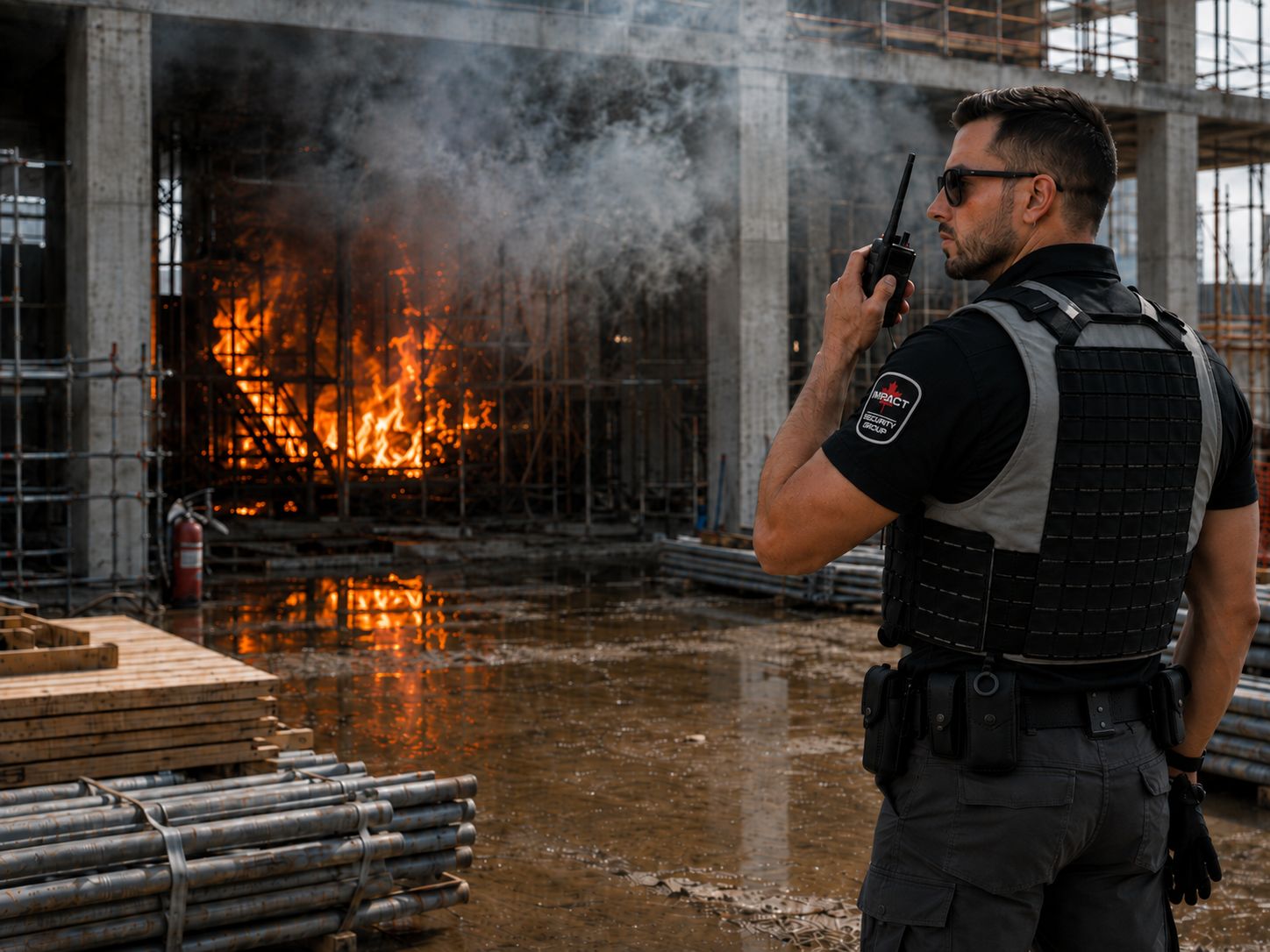
The good news is that fire watch is well-defined and entirely manageable once you understand it. This guide covers when a fire watch is legally required in Canada, what the guards on watch are actually supposed to do, how long it has to continue, and the part that protects you afterward how to document it properly. None of it is complicated. Getting it wrong, however, can be expensive.
What a fire watch actually is
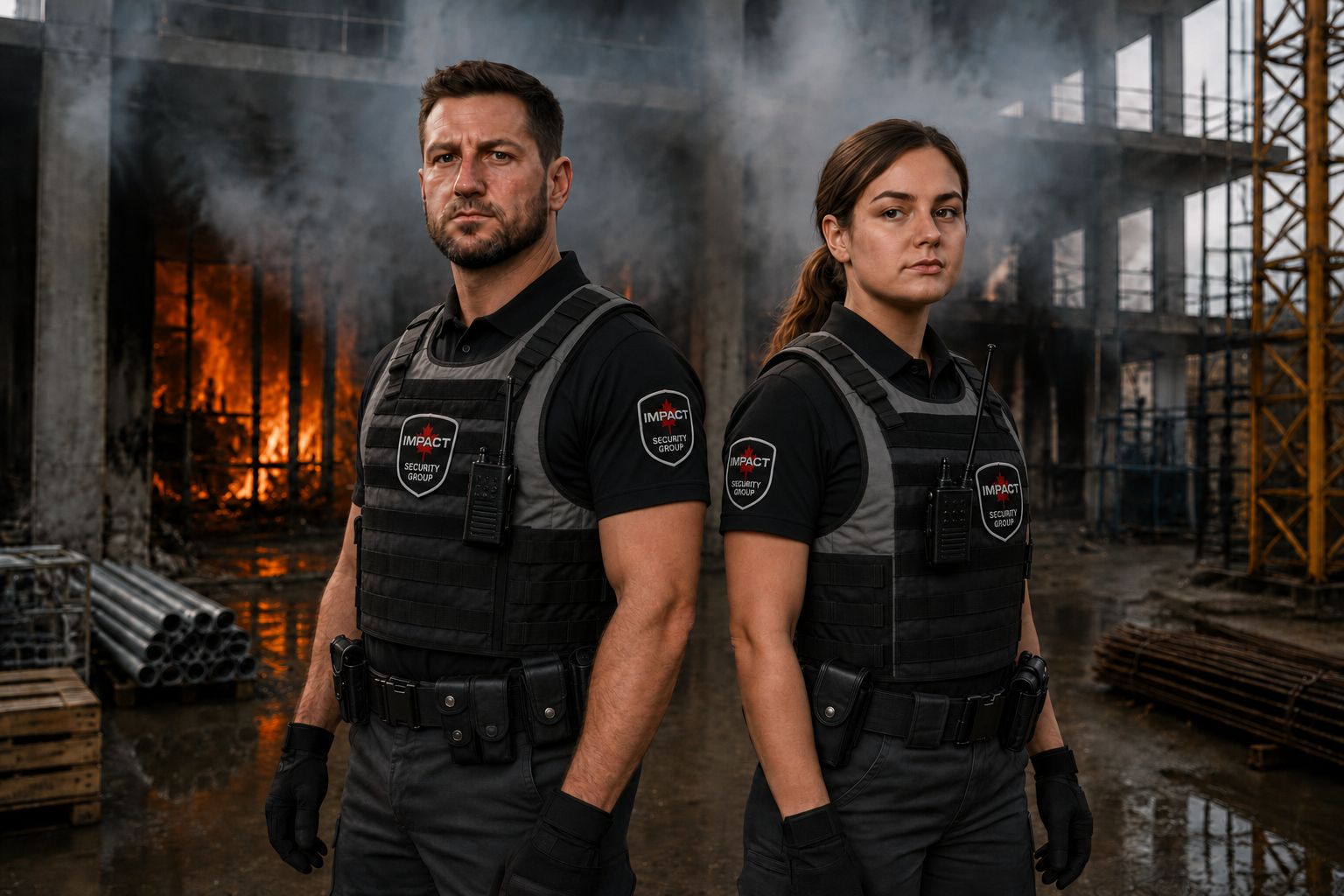
A fire watch is a dedicated person, or people, assigned to continuously patrol a building or area specifically to detect fires and raise the alarm, during periods when the normal fire protection systems are impaired or when an activity has temporarily raised the risk of fire. It's a human stand-in for the systems that would normally catch a fire automatically.
That's the whole logic. Sprinklers and alarms are always-on, automatic protection. When they're out of service, or when a task like welding introduces an ignition source the systems weren't designed around, the code requires a person to fill the gap: someone walking the space on a set route, watching for smoke and heat, and positioned to alert occupants and call the fire department the instant something starts. A small fire caught in its first minute is an incident; the same fire caught twenty minutes later can be a catastrophe.
When is a fire watch legally required?
Fire watch requirements in Canada come from provincial fire codes, which are based on the National Fire Code of Canada and enforced locally by your municipal fire authority. The specifics vary by province and by the authority having jurisdiction, but the situations that trigger a fire watch are consistent across the country.
Sprinkler or fire alarm impairment. This is the most common trigger. When a sprinkler system, fire alarm, or other required fire protection system is out of service beyond a short permitted window often in the range of several hours, but check your local code a fire watch is generally required for as long as the system remains down. Planned maintenance, repairs, renovations, and system upgrades all fall under this.
Hot work. Welding, cutting, grinding, brazing, soldering, and torch work all throw sparks and heat capable of igniting materials nearby, sometimes hours after the work stops as smouldering material slowly builds. Fire watch during hot work, and critically for a period after it finishes, is standard code and standard insurance requirement.
Construction and renovation. Buildings under construction often have incomplete fire protection systems, combustible materials on site, and multiple ignition sources. Many jurisdictions require fire watch coverage during these phases.
After a fire, or on order of the authority. Following a fire incident, or whenever a fire inspector identifies a hazard, the authority having jurisdiction can order a fire watch as a condition of continued occupancy. When they order it, it isn't optional.
One rule of thumb: if you're unsure whether your situation requires a fire watch, your local fire authority and your insurer are the two parties who decide, and both would rather you ask than guess. So would we it's a quick call.
What fire watch guards are required to do
A fire watch is not someone sitting in a truck. Done correctly, it's an active, documented patrol with specific duties, and fire inspectors know exactly what to look for when they check.
The core duties patrol all designated areas on a continuous, timed rotation so no part of the building goes unwatched for long; watch actively for smoke, heat, unusual odours, and any sign of fire; keep fire exits, extinguishers, hydrants, and fire lanes clear and accessible; enforce no-smoking and hot-work rules in the covered area; and, if fire is detected, immediately call 911, alert and evacuate occupants, and use fire equipment only if it's safe to do so. The guard's first job is detection and alarm, not firefighting.
Crucially, the guard must keep a fire watch log. Every patrol is recorded with the time, the areas covered, and anything noted. This log is not busywork it's the legal evidence that the fire watch was actually maintained, and it's the first thing an inspector or insurer asks to see.
It's worth stressing that a qualified fire watch guard is trained for the role, not just assigned to it. They know the required patrol frequency, understand what smouldering hot-work residue looks like hours after the sparks stopped, keep the log to the standard an inspector expects, and know precisely what to do in the first thirty seconds of detecting fire. Handing the job to an untrained worker who happens to be free is how fire watches fail inspections and, occasionally, how buildings burn.
How long must a fire watch continue?
A fire watch continues until the condition that required it is resolved. For an impaired system, that means until the sprinkler or alarm system is fully restored to service and, where required, the fire authority confirms the watch can end. For hot work, it means through the work and for a mandated cool-down period afterward commonly at least an hour, sometimes longer depending on the materials and the code.
The practical implication is that fire watch is often a 24/7 obligation for its duration. An impaired sprinkler system doesn't stop being impaired overnight, so the watch can't stop overnight either. That means continuous, rotating coverage, which for anything beyond a few hours requires a team rather than one person. This is exactly where professional fire watch services earn their value: staffing uninterrupted coverage, managing the rotation, and maintaining the documentation without your team having to pull someone off their real job to walk the building at 4 a.m.
Who is responsible for arranging the fire watch?
A question that causes real confusion on site whose job is it to put the fire watch in place? The answer is almost always the building owner or the party in control of the premises, though on construction projects the responsibility often shifts to the general contractor or the party performing the work that created the risk. For hot work specifically, the contractor doing the welding or cutting is typically responsible for ensuring a qualified fire watch is present during and after the task.
The reason this matters is liability. When a fire watch is required and isn't provided or is provided badly responsibility for the consequences falls on whoever was obligated to arrange it. If your contract, your permit, or your insurance policy names you as responsible for fire protection during an impairment or hot work, that obligation is yours whether or not anyone reminded you. When there's any doubt about who owns the responsibility on a given site, settle it in writing before the work starts, not after an incident.
The documentation that protects you
When the incident is over or when the inspector arrives your protection is paperwork. A complete fire watch log demonstrating continuous, properly conducted patrols is what proves compliance to the fire authority and satisfies your insurer. Without it, you can have staffed a perfect fire watch and still be treated as though you didn't, because from a liability standpoint, undocumented compliance is indistinguishable from no compliance.
This is a large part of why owners and contractors bring in a professional provider rather than improvising. A dedicated fire watch service arrives trained, deploys fast, maintains the log to the standard inspectors expect, and hands you records you can file with confidence. When an insurer is deciding how to treat a claim, the difference between a professional log and a handwritten note on a clipboard can be very real money.
Getting a fire watch in place quickly
The awkward truth about fire watch is that you rarely see it coming. A failed inspection or a sudden system fault creates an obligation that starts immediately, which is why speed of deployment is the quality that matters most in a provider. Impact Security Group operates 24/7 dispatch from six offices across Western Canada and can typically place qualified fire watch guards on site within hours of a call, fast enough to keep you occupied, compliant, and covered.
If you have hot work coming up, a system going down for maintenance, or an inspection you're not certain you'll pass, the cheapest time to sort out fire watch is before you need it. Get in touch and we'll walk through your situation, confirm what your obligation actually is, and have coverage ready the moment it's required.