What Does Loss Prevention Actually Do? A Retailer's Guide to Stopping Theft Before It Starts
Ask ten retailers what loss prevention means and eight of them will say the same thing: catching shoplifters. It's an understandable answer. The person by the door in the dark jacket is the visible part of the job. But it's a bit like saying a hockey team is just the goalie.
Jul 22, 2026
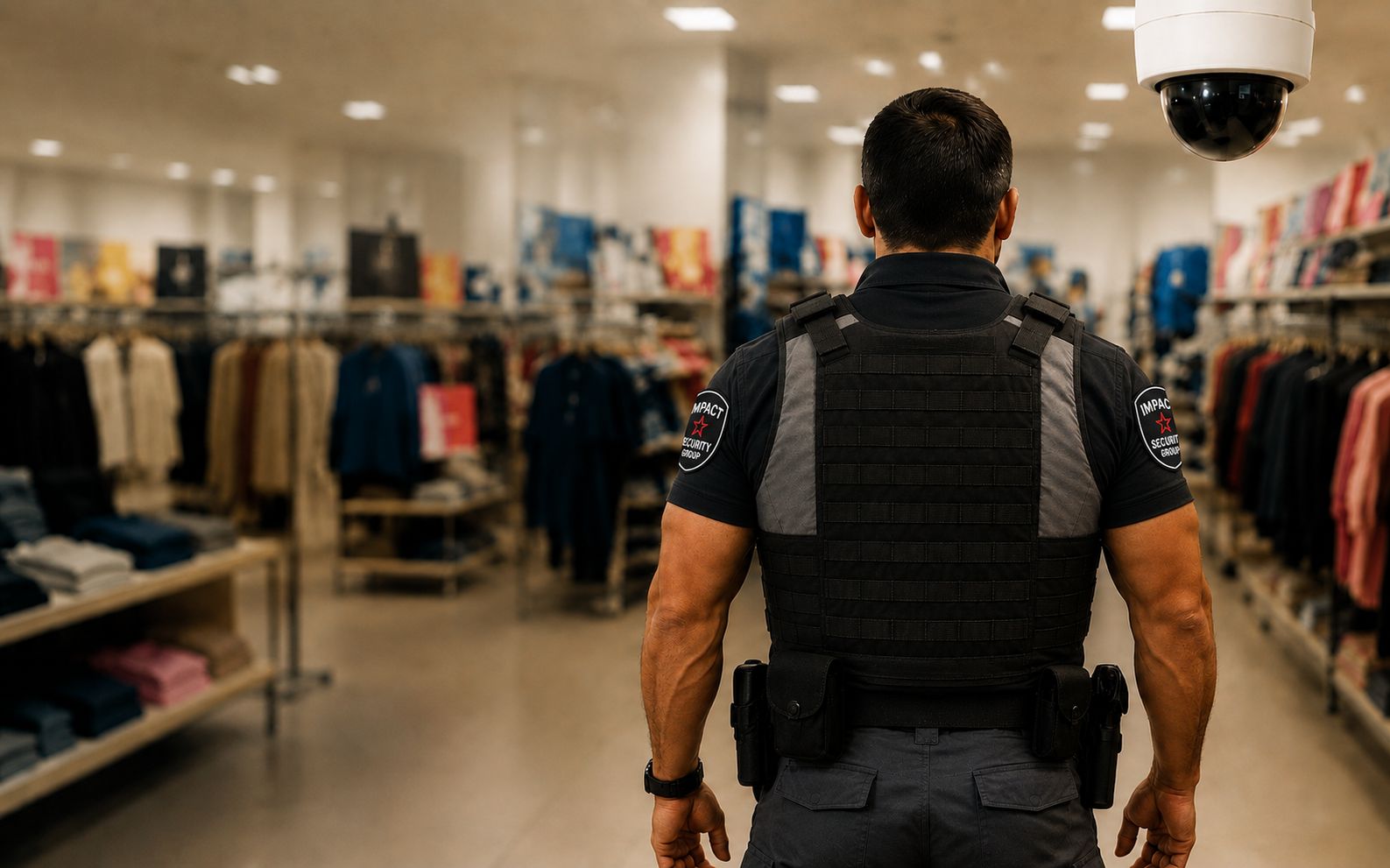
Retail theft in Canada has climbed steadily since the pandemic, and the Retail Council of Canada has repeatedly flagged organized retail crime as one of the industry's fastest-growing costs. Yet in most stores we audit, the losses that hurt the most aren't the ones walking out the front door. They're the ones happening at the till, in the stockroom, and on paperwork nobody double-checks.
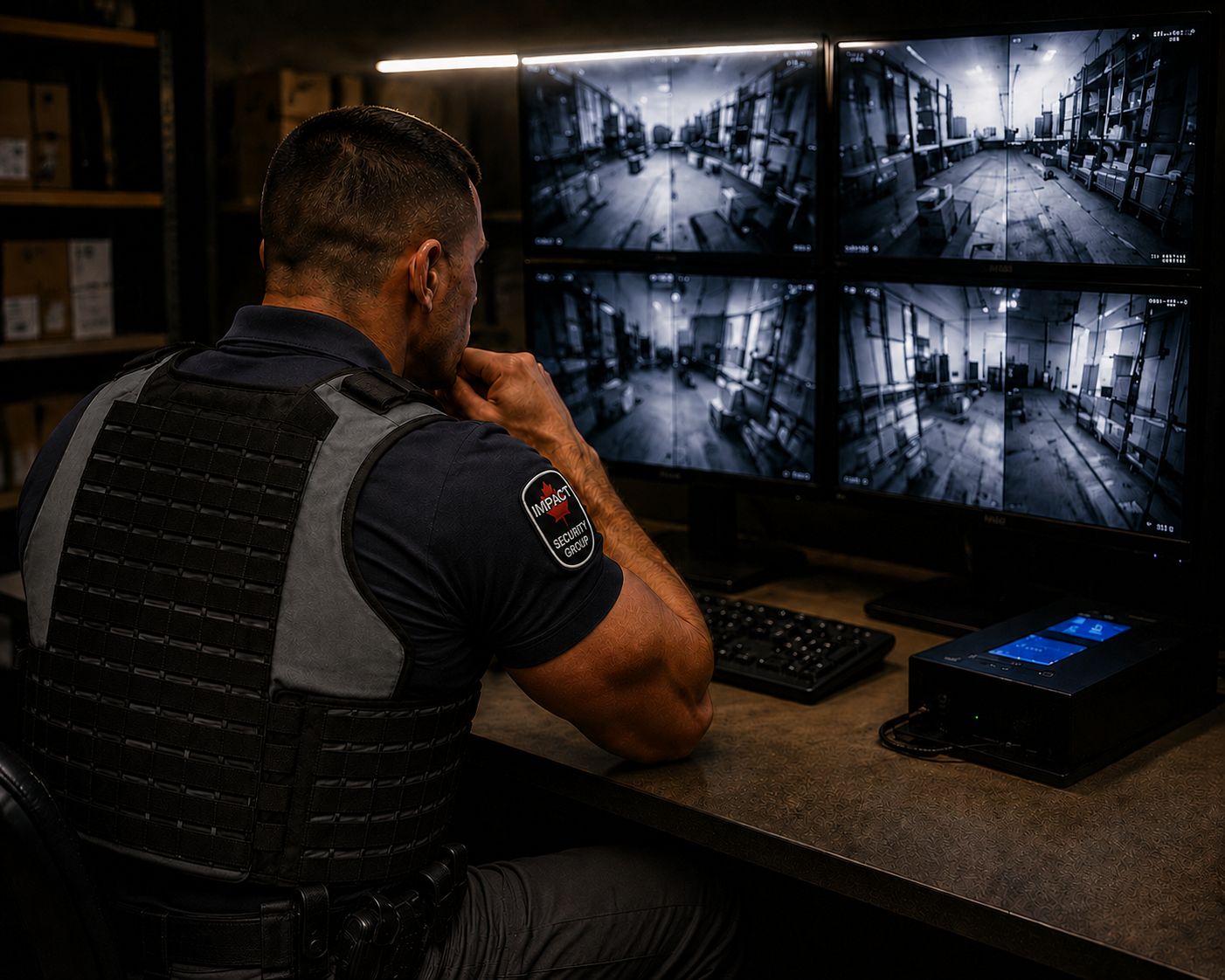
This guide breaks down what a loss prevention program actually covers, what LP officers can and can't legally do in Canada, and how to tell whether your store has a shoplifting problem, a shrinkage problem, or both. There's a difference, and it changes what you should do about it.
Loss prevention is a system, not a person
A proper loss prevention program has four working parts: deterrence, detection, investigation, and recovery. Most retailers only invest in the first one, usually in the form of a uniformed guard or a camera bank, and then wonder why shrink numbers don't move.
Deterrence is the visible layer. Uniformed retail security guards at entrances, monitored CCTV, signage, electronic article surveillance at the doors. It works on opportunists, the person who wasn't planning to steal until the moment presented itself. It does very little against determined or organized theft, because professionals case a store precisely to learn where the visible layer ends.
Detection is where plainclothes work begins. Trained loss prevention officers on the floor learn the behavioural patterns that precede a theft: the tandem walk, the fitting-room funnel, the bag that goes in heavy and comes out light. A good LP officer watches the store the way a dealer watches a card table, and most shoppers will never know they were there.
Investigation and recovery are the parts almost nobody sees. When a pattern of loss shows up in inventory counts, someone has to figure out whether it's vendor fraud, receiving errors, sweethearting at the register, or straight theft. That means reviewing footage, running cash audits, interviewing staff, and building a file that will hold up if it ends with police involvement or a termination.
What LP officers can legally do in Canada
This is the question retailers should ask first and usually ask last. In Canada, a licensed loss prevention investigator operates under the same citizen's arrest provisions as everyone else, set out in section 494 of the Criminal Code. In plain terms: an LP officer may arrest a person they find committing a criminal offence on or in relation to the property, and must deliver that person to police as soon as reasonably possible.
The word doing the heavy lifting there is fine. LP officers work to a standard often called continuity of evidence: they need to observe the selection of merchandise, maintain uninterrupted observation, confirm the person passed the last point of payment without paying, and only then make the stop. Break the chain of observation, even briefly, and a defensible arrest becomes a liability problem.
This is exactly why the training matters more than the headcount. An untrained guard making a bad stop can cost a retailer far more in one lawsuit than a year of theft. Reputable providers train their investigators in lawful arrest procedure, reasonable use of force, evidence handling, and documentation, and they carry the licensing and insurance to back it up. If you're evaluating an LP provider, ask to see their arrest procedure in writing. The good ones will hand it over without blinking.
The half of shrinkage nobody wants to talk about
Industry studies have consistently attributed a substantial share of retail shrinkage, often estimated at a third or more, to internal sources: employee theft, sweethearting, refund fraud, and collusion with outside parties. It's the least comfortable conversation in retail, and the most financially important one.
Internal loss rarely looks like someone stuffing product in a backpack. It looks like a refund processed with no customer present. A void pattern on one cashier's till that doesn't match anyone else's. A receiving clerk who signs for forty cases when thirty-eight arrive. Individually, these are rounding errors. Across a year, they can quietly outpace everything the shoplifters took.
The countermeasures are unglamorous and effective. Surprise cash audits at the register. Mystery shopper visits that verify sales are rung in and refund policy is followed. Closing procedures where a supervisor or contracted officer confirms the store is actually empty and bags are checked evenly, everyone including managers. When staff know verification is routine and impartial, the opportunity math changes, and most internal loss is an opportunity crime.
Opportunists and professionals are different problems
One more distinction worth building into your thinking: the person who impulsively pockets a lipstick and the organized crew that clears a shelf of razor blades in ninety seconds are not the same problem, and they don't respond to the same countermeasures. Opportunistic theft responds to visibility, a greeted customer, a uniformed presence, tidy sightlines. It's the crime of an unwatched moment, and removing the moment removes most of the crime.
Organized retail crime is a supply chain. Crews steal to order, target high-resale categories, and treat a single store's defences as a puzzle to be solved once and exploited repeatedly. Fighting it takes pattern recognition across visits and locations, evidence packages police can actually act on, and coordination between stores, which is where a security partner covering multiple retailers in a region quietly earns its keep. If the same crew hits four of our client sites in a month, every one of those sites benefits from what the other three learned.
Knowing which problem you have changes the spend. Stores bleeding from opportunistic theft usually need better floor coverage and staff training. Stores targeted by crews need investigation and evidence discipline. Plenty of stores need both, but almost no store needs the same amount of both.
Theft has a calendar. Your coverage should too
Retail loss isn't evenly distributed across the year. The fourth quarter concentrates everything: more inventory on the floor, more temporary staff who haven't been trained on procedures, more crowding that gives cover, and more pressure on managers to keep lines moving rather than watch the floor. Returns season in January then produces its own fraud wave, receipt-less returns, wardrobing, and refund schemes that exploit goodwill policies written for a different volume of traffic.
The practical implication is that loss prevention coverage shouldn't be a flat line. Stores that scale plainclothes hours up through November and December, tighten refund verification in January, and audit new seasonal staff onboarding get disproportionate returns on those weeks of spend. It's the same budget, aimed at the weeks when it actually earns.
Why cameras alone keep disappointing retailers
CCTV is essential and insufficient. A camera records a theft; it doesn't prevent one, and footage nobody reviews is just expensive evidence of losses you already ate. The retailers who get real value from surveillance treat it as an input to a program: live monitoring tied to a response plan, footage audits matched against exception reports from the point of sale, and camera placement designed by someone who knows how thieves actually move through a store.
The strongest setups layer people and technology so each covers the other's blind spots. Cameras don't take sick days; officers can act in the moment. Electronic article surveillance flags the door; a trained investigator already knew who was going to set it off. If your current security budget is all hardware and no humans, or all humans and no accountability, that imbalance is usually visible in your shrink line within two inventory cycles
Does your store need a formal LP program? A quick self-check
A note on measurement before the checklist: shrink is only meaningful if you calculate it consistently, at retail or at cost, but always the same way, and break it down by department. A store-wide 1.2 percent can hide a 4 percent haemorrhage in one category, and that category is where your program should start.
You likely need more than a door guard if any of these sound familiar: your shrink rate is above roughly 1.5 percent of sales and you can't explain where it's going; inventory counts keep surprising you in the same departments; refunds and voids cluster around particular shifts; staff have reported suspicious behaviour but nothing gets documented; or you've had a confrontation with a shoplifter that made you nervous about how it was handled.
None of those automatically means theft is rampant. Sometimes the answer is a receiving-process fix, not an investigator. That's exactly why a professional assessment is worth doing before you spend money: a good LP partner will tell you which problem you actually have, then scale the response to fit, whether that's plainclothes coverage during peak hours, a periodic audit program, or a full investigation.
Conclusion
Loss prevention done properly is a discipline that touches your floor, your tills, your stockroom, and your paperwork. The retailers who treat it that way consistently post lower shrink numbers than the ones who hire a guard and hope.
Impact Security Group has been delivering retail security and loss prevention across Western Canada since 1999, including a partnership with Walmart Canada that has run continuously since the year we opened. Our licensed investigators, uniformed retail guards, and audit programs currently protect single stores and national chains alike. If your shrink numbers deserve a second opinion, request a free assessment and a member of our team will respond within 24 hours.