Why Construction Sites Get Robbed and the Simple Security Moves That Stop It
A construction site is, from a thief's point of view, close to an ideal target. It's full of valuable, portable, hard-to-trace goods. It's often empty for sixteen hours a day. The perimeter is temporary, the lighting is patchy, and half the time nobody can say for certain what was even on site to begin with. Add it all up and you get an industry that quietly loses a fortune every year to theft most people never hear about.
Jul 28, 2026
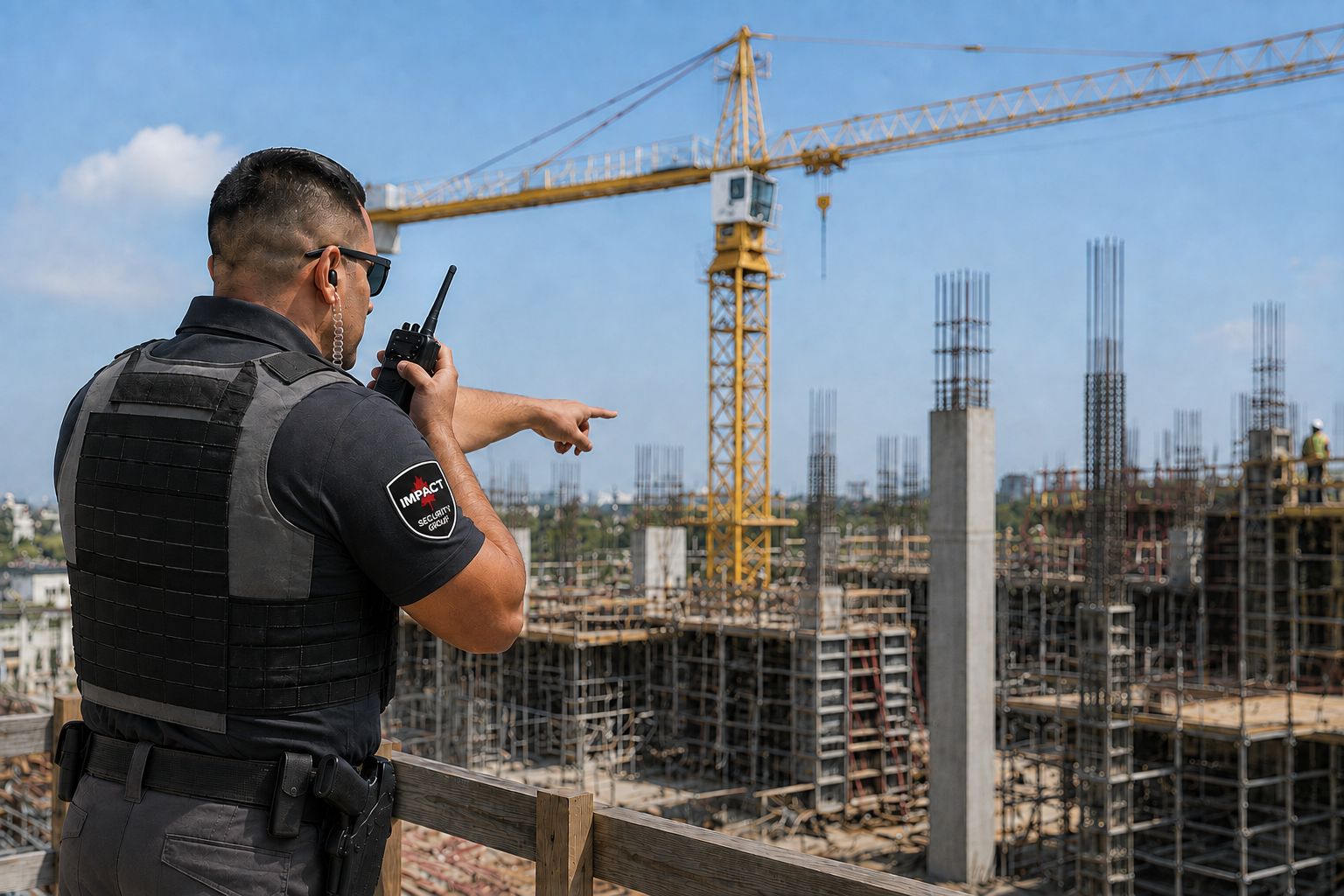
The Canadian construction sector loses hundreds of millions of dollars annually to equipment and material theft, and that figure understates the real damage. The stolen skid steer is only the visible cost. The project delay while you source a replacement, the blown rental deposit, the insurance premium that climbs after the claim, the crew standing idle at billable rates those add up to far more than the machine was worth. Theft doesn't just cost you an asset; it costs you a schedule.
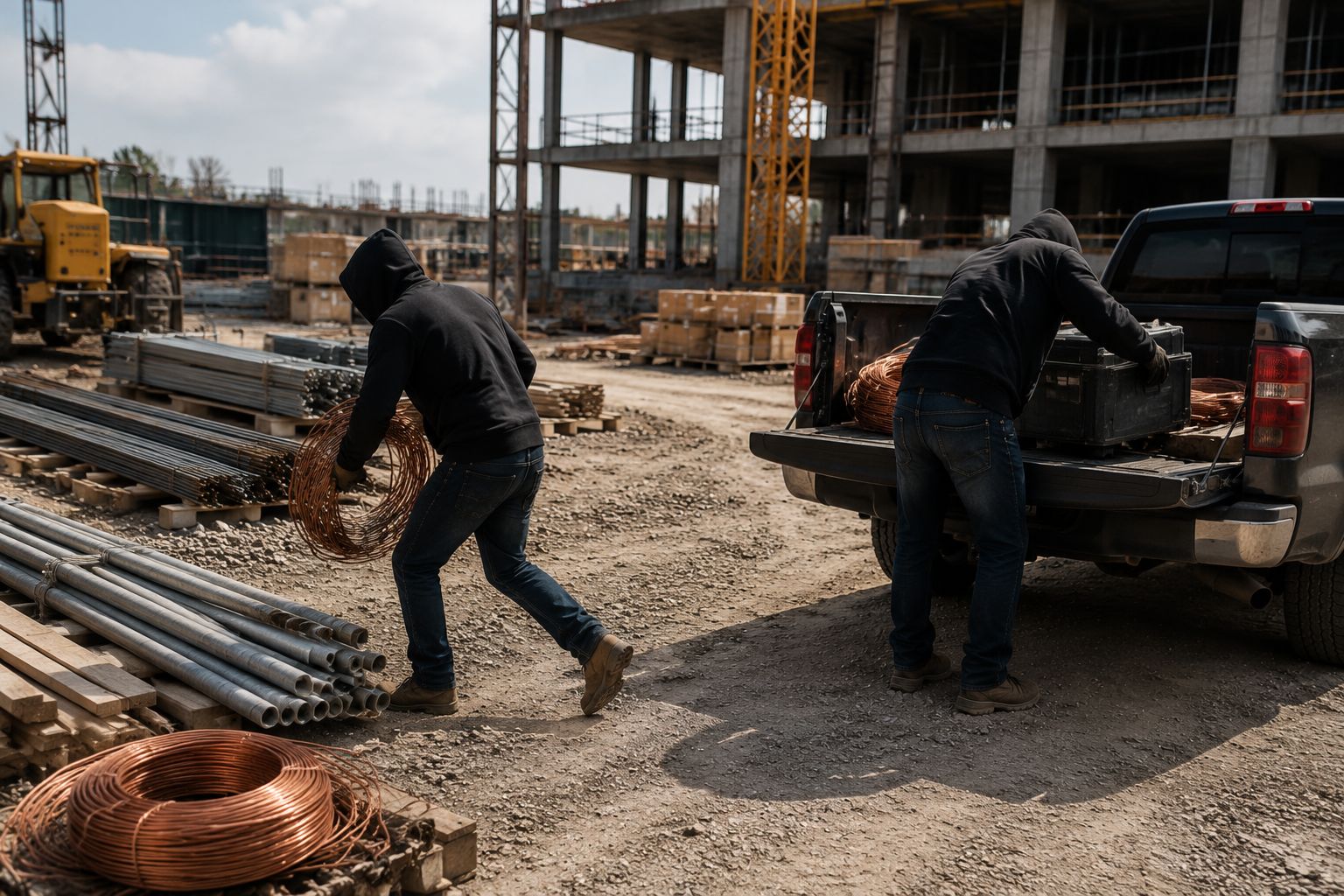
The encouraging part is that construction theft is largely preventable, and the fixes aren't exotic. Most losses happen because a site made itself an easy target, and most of the moves that harden a site are straightforward. Here's what actually works.
Why job sites are targeted in the first place
Understanding the thief's logic tells you where to spend. Construction theft breaks into two types, and they need different answers. The first is opportunistic: someone drives past an open site on a Sunday, sees an unsecured compressor, and takes it. Low planning, low sophistication, easily deterred by anything that raises the effort.
The second is targeted. Organized crews watch a site, learn its rhythms, know which machines resell fastest, and arrive prepared with trailers and the know-how to load heavy equipment quickly. Copper theft in particular has become a specialty crime, driven by scrap value and the ease of stripping wire from a site nobody's watching. These crews aren't deterred by a padlock; they're deterred by the risk of being seen and identified.
Both types share one enabler: the absence of eyes. Nearly every effective countermeasure comes down to increasing the chance a thief is observed, recorded, or interrupted.
The foundation: control who gets on and off
Access control is the single highest-value habit on a job site, and it costs almost nothing. A single controlled entry point, a sign-in log for every worker and delivery, and a quick verification of anyone who doesn't belong will stop a surprising share of losses before they start. A lot of construction theft is walk-on theft in daylight, someone in a hi-vis vest who looks like they belong, because on a busy site everyone assumes they're somebody else's problem.
Pair that with basic discipline about what's left out. Tools locked in a hardened container overnight, keys never left in machines, smaller high-value items removed from site entirely at day's end. None of this is glamorous and all of it works, because it converts an easy grab into a job that requires effort, time, and noise.
Where professional security earns its keep
Physical measures raise the effort; they don't watch the site. That's the gap security guards and mobile patrols fill, and it's where the losses actually stop.
For high-risk sites or high-value phases, a dedicated overnight guard is the strongest deterrent available. A visible, uniformed presence controlling access and patrolling the perimeter turns your site from an easy target into one that's simply not worth the risk. Guards also do things cameras can't: verify a suspicious after-hours delivery, spot a fire hazard, respond to an alarm, and produce a written record of the night.
For sites that don't warrant a full-time guard, mobile patrol is the cost-effective middle ground. A marked unit visiting on a randomized schedule checking the perimeter, the equipment laydown, and the entry points creates the unpredictability that organized crews hate. They can't case a site whose security arrives at a different time every night. Many projects blend the two: dedicated guards during the vulnerable overnight window in high-theft phases, patrol checks the rest of the time.
The reporting matters as much as the presence. Good security gives your site superintendent a daily record — who came and went, what was found, any hazards flagged which is exactly the documentation that keeps insurers happy and settles disputes about what happened when.
Lighting and cameras: cheap deterrence that works while you sleep
If access control is the highest-value habit, lighting is the highest-value piece of hardware. Thieves need cover, and darkness is the cheapest cover there is. A well-lit site with no shadowed corners for a crew to work in unseen is dramatically less attractive than one that goes black at dusk. Motion-activated lighting adds a jolt of the unexpected nothing rattles someone mid-theft like a floodlight snapping on.
Cameras extend the same logic into evidence. Visible cameras deter the opportunist and, when theft does happen, give police and your insurer something to work with instead of a shrug. The catch worth knowing: footage nobody watches only helps after the fact. Cameras tied to active monitoring, or paired with patrols who can respond to what the cameras see, are the version that actually prevents a loss rather than just documenting it. On a construction site, that pairing recording plus a real response is what turns a camera from a witness into a deterrent.
Layer it, and match it to the phase
No single measure is the answer. The sites that don't get robbed layer their defences: a controlled perimeter, lighting that removes the dark corners, cameras that record, locked storage, and human eyes through guards or patrols. Each layer covers another's blind spot, and together they move your site well down the list of easy targets.
The layering should also follow the project. Risk isn't constant: the weeks when expensive machinery, copper, and finished materials are on site are the weeks that demand the most coverage, and a smart security plan scales up and down with the build rather than paying flat for protection you don't always need. Talk to a provider who plans around your schedule, not one who quotes a single number for the whole job.
Impact Security Group has protected construction sites across Western Canada for more than two decades, with guards, mobile patrol, and fire watch available from six regional offices. If your next project is carrying real value overnight, request a free site assessment and we'll map the coverage it actually needs and nothing it doesn't.